

As of December 1st, “Mad Men” is now streaming on HBO Max. If you haven’t seen the show, this is “must-see” television. The show is fantastic. And if you’re already a fan, now you can binge it again, this time in spectacular 4K streaming.
It’s also fascinating to look back and consider the massive cultural impact the show had after its premiere in 2007 through it’s final season in 2015. “Mad Men” was a period piece, chronicling the ad world’s upheavals from 1960 to the early 70s. But it had a profound impact on American culture, pulling mid-century aesthetics into the modern spotlight. The first four seasons (spanning 1960–1965 in the show’s timeline) were particularly potent, establishing the series’ signature polish amid the era’s lingering 1950s conservatism before the full swing of ’60s radicalism hit. This period of the show captured a poised glamour that resonated deeply in the late 2000s and early 2010s.
Every generation flirts with nostalgia and recycles styles and trends from older eras. And that’s often fueled by movies or television. This isn’t new, but “Mad Men” represented one of those seminal moments when everything seemed to abruptly shift.
A Style Renaissance
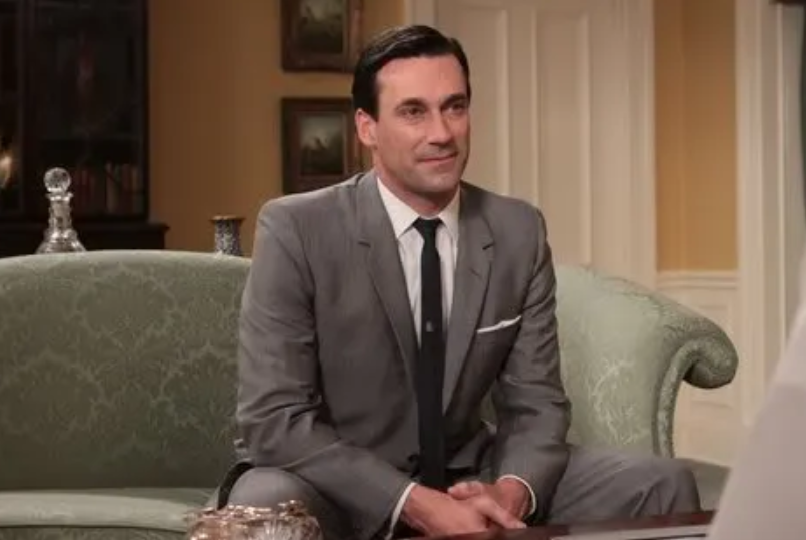 It’s difficult to stress the magnitude of the “Mad Men” effect on style and fashion. Menswear in particular turned on a dime after the show’s first season. The 2000s were a time infused with a casual, hipster vibe, with oversized and baggy clothes dominating men’s fashion. “Mad Men” changed everything.
For men, the slim suits and hats sparked the biggest nostalgia wave. Viewers, especially millennials entering the workforce, latched onto the idea of dressing as a power move, leading to a surge in retro-inspired collections. Don Draper’s gray flannel suits and skinny ties became blueprints for “Mad Men”-themed lines at Brooks Brothers and Banana Republic, with sales of slim-fit suits jumping 20–30% post-premiere. The old baggy, pleeted suit pants and oversized jackets were tossed aside in favor of the skinny fitted suits, skinny ties and flat front trousers men saw on the show. By 2010, GQ dubbed it “the Draper effect,” crediting the show for reviving club collars and three-piece pinstripes, evoking a boardroom swagger lost to casual Fridays.
The Cocktail Comeback
 Booze, like cigarettes, was everywhere on “Mad Men.” And while many were probably grossed out by the non-stop smoking on the show, the notion of the classic cocktail became a cultural phenomenon. Bartenders reported a “Mad Men effect” by 2013, with orders for Manhattans and martinis doubling in New York spots.
Classic drinks like the Old Fashioned were suddenly back in style. Don’s go-to (rye, bitters, muddled orange—straight out of the pilot) was a dusty relic in 2007, overshadowed by appletinis. Post-“Mad Men,” it exploded: U.S. sales of bitters rose 188% from 2007–2012, and the drink became a menu staple. Roger Sterling’s vodka martinis and Peggy Olson’s gimlets pulled other ’60s staples from obscurity.
Suddenly, everyong seemed to be talking about cocktail recipes.
Bar Carts: The Rolling Symbol of ’60s Chic
The cocktail craze didn’t just show up in bars. People became enamored with the bar cart, which was ubiquitous in the Sterling Cooper offices from Season 1, stocked with decanters and ice buckets for impromptu pours. The show’s early seasons romanticized them as civilized enablers of boozy brainstorming, inspiring a home decor frenzy. Don’s office cart (complete with a hidden burner for snacks) went to the Smithsonian in 2015, but replicas flew off shelves. West Elm’s mid-century models sold out post-Season 2.
Mid-Century Modern Design
Beyond just bar carts, “Mad Men” sparked renewed interest in the mid-century modern designs featured on the show, particularly with furniture. The series sparked a furniture boom, with sales of iconic pieces surging as fans sought to replicate the look. The bulky furniture styles of the early 2000s gave way to the elegant and classic looks featured on the show. Retailers like West Elm and IKEA launched MCM-inspired collections, making the style accessible. Don Draper’s leather sofa became shorthand for “executive chic,” fueling a $1 billion+ vintage market resurgence.
Looking Back
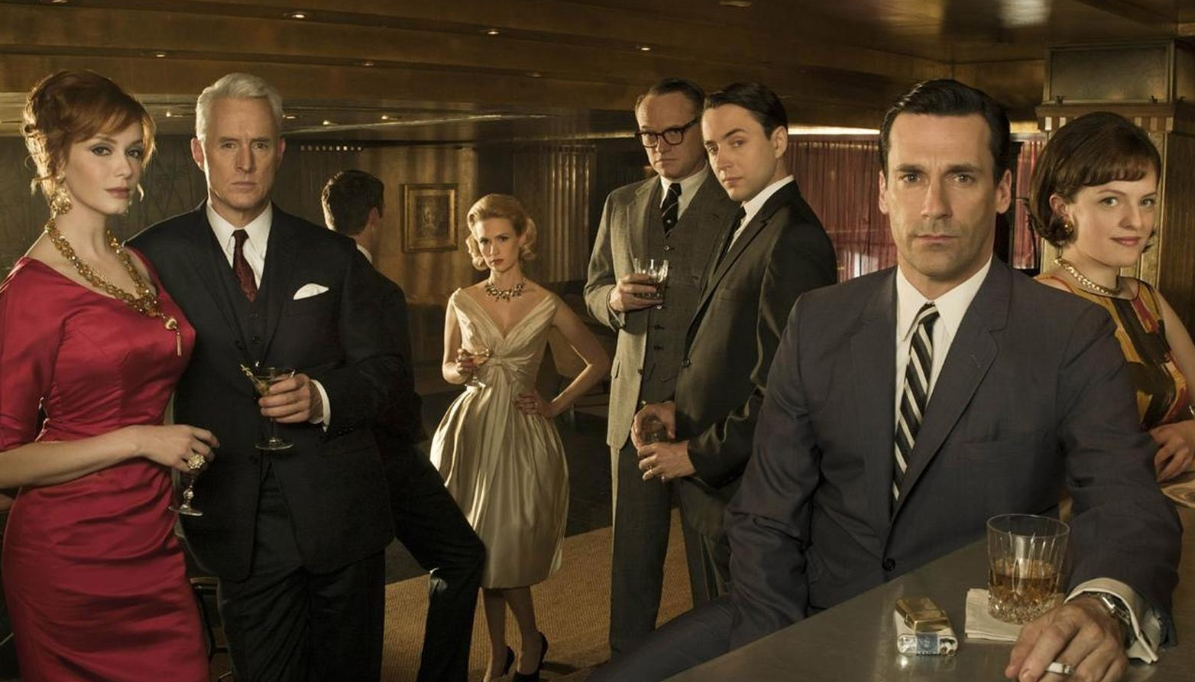
Years later we can see the rise and fall of the show’s impact on the culture. The show sparked a full-blown revival of 1960s styles and drinks, from thrift-store hunts for pencil skirts to bar menus ditching vodka-crans for muddled cherries. But we’re now far removed from that revival, and things have changed again. As pointed out by British GQ, “the men’s fashion landscape is markedly different.” Suits may not be dead, but we’re now seeing them worn with t-shirts and sneakers.
Still, there’s always a time and place for the elegance of the “Mad Men” look. And while people aren’t drnking alcohol nearly as much these days, we’re still seeing a lot of love for the classic cocktail.
So enjoy binge-watching “Mad Men” and consider the style of those times, and how that influenced a more recent generation as well.
