
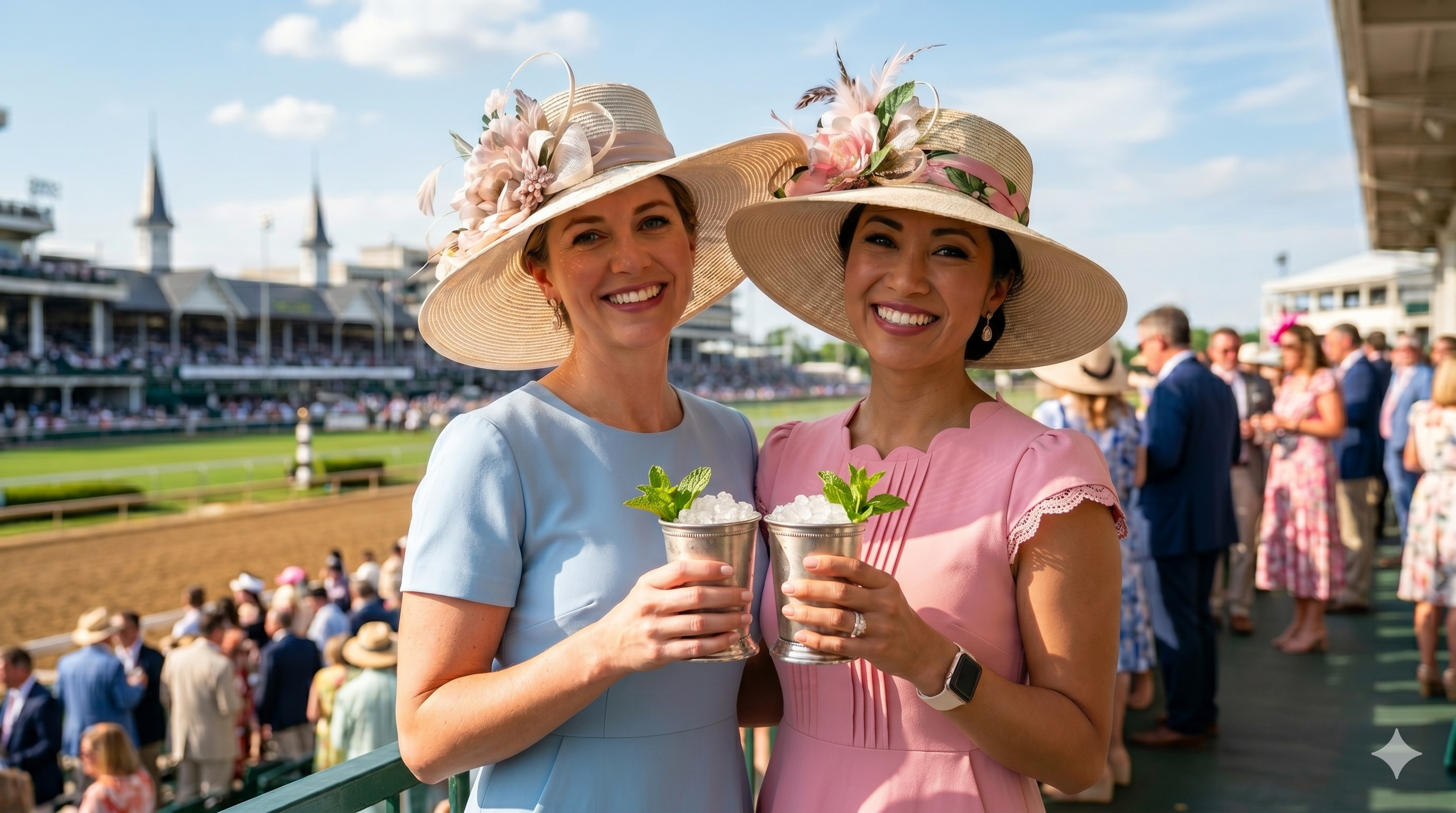
How Churchill Downs Is Prioritizing Wealthy Visitors Over Locals and Traditional Fans
The Kentucky Derby has long been known as “the most exciting two minutes in sports.” For generations, it served as a vibrant community event in Louisville, Kentucky, blending passionate horse racing fans, rowdy infield parties, and local traditions. Recent years have shown a clear change. Churchill Downs, the track’s owner and operator, has deliberately repositioned the Derby as a premium lifestyle and bucket-list experience aimed primarily at affluent out-of-town visitors. Locals and traditional fans aren’t very happy that Churchill Downs ss prioritizing wealthy visitors according to a recent New York Times article.
Some are arguing that Churchill Downs is transforming the event into an Instagram-worthy spectacle for wealthy one-time attendees rather than focusing on the sport itself or supporting the local Louisville community.
The Times article linked above details how rising ticket prices and schedule changes are squeezing out locals. Restaurant owners report lost business, with one longtime steakhouse proprietor calling the approach “greed.” Others feel the city is being “rented” as a glamorous backdrop for outsiders instead of serving its own residents.
How the Kentucky Derby Has Shifted Toward Luxury Experiences for the Rich
Churchill Downs has aggressively pursued a premium, high-margin business model, turning Derby week into a tiered ecosystem where the best access, comfort, views, and perks are reserved for those willing to pay thousands (or tens/hundreds of thousands) of dollars. This is evident in official offerings and third-party luxury packages.
Basic packages start at around $100 to over $300. But then prices escalate quickly. Reserved seating pptions like First Floor Box or First Turn Reserved seating begin at roughly $917 and can exceed $1,396 or more for better positions.
Premium hospitality and dining packages include all-inclusive food and beverage. Prices start in the low thousands for entry-level lounges and climb significantly higher. For example, the Homestretch Rail Lounges and Terrace begin around $5,260, while the Stakes Room starts at about $8,459.
For the ultra-premium experiences, the Woodford Reserve Paddock Club and Enclosure, which provides rare paddock access and railside views near the horses, starts at $10,950 per guest. Full luxury travel packages from official providers and third parties often combine premium seating with high-end hotels, transportation, and exclusive events, with per-person costs reaching several thousand dollars or more.
At the top end, private suites cater to corporations and high-net-worth individuals. Jockey Club Suites start at $155,000, while prime Finish Line Suites begin at $405,000 for the suite (typically shared among a group). These spaces offer private bars, waitstaff, kitchenettes, and unmatched views over the finish line.
Full luxury packages often bundle these elements with behind-the-scenes tours, galas, concierge service, and celebrity-adjacent vibes. Marketing materials position the Derby as a sophisticated, stylish event perfect for social media and status.
Business Strategy Versus Community Roots
As a publicly traded company, Churchill Downs has strong incentives to maximize revenue from its flagship event. The Derby generates hundreds of millions in economic impact for the region, and targeting high-spending visitors who book expensive hotels and multiple-day experiences makes financial sense. The event has grown into a broader entertainment brand featuring fashion, celebrities, and spectacle beyond pure racing.
Critics contend that this model comes at a cost. It reduces the community atmosphere that once defined Derby week. Traditional racing fans and average attendees find the best experiences increasingly out of reach. The focus on one-time “bucket-listers” may boost short-term profits and visibility but risks weakening long-term engagement with the sport of horse racing.
Defenders note that big events naturally evolve under market pressures. Affordable options like infield tickets and some discounts for military members and educators still exist. The influx of wealthy visitors brings real money into Louisville businesses and helps elevate the Derby’s global profile.
The Core Tension
The Kentucky Derby has undeniably become glitzier and more professionalized. Churchill Downs has invested heavily in expanding premium spaces and hospitality to attract a wealthier demographic. This creates a stratified event where the infield retains some of its chaotic energy for the masses, while the prime areas are reserved for those who can afford thousands or tens of thousands per person.
None of this is new . . .it’s just getting more and more extreme. I attended the Derby about 15 years ago, and there were plenty of corporate boxes for the rich. But the Derby is following all other sporting events by bleeding every dime they can out of the paying audience. And right now, the rich are spending money, and it’s a strategy that will pay off until consumers revolt.
Whether this luxury-focused strategy sustains the Derby’s cultural significance or turns it into a transient status symbol remains an open question. For now, the direction is clear: the best of the Kentucky Derby experience is increasingly designed for the rich.
Image created by Gemini Nano Banana.
